



- Subtle shifts from art to https://kingdom-uk.co.uk into real life
- The Influence of Artistic Principles on Interior Design
- The Role of Texture and Light
- Extending the Artistic Experience: Immersive Environments
- The Impact of Experiential Retail
- The Role of Craftsmanship and the Handmade
- Supporting Local Economies and Artisan Skills
- The Intersection of Art and Wellbeing
- Cultivating a More Artistic Life: Looking Ahead
Subtle shifts from art to https://kingdom-uk.co.uk into real life
The line between artistic expression and everyday life is often blurred, with inspiration flowing in both directions. We find echoes of paintings in the way light falls on a street, or perceive melodies in the rhythm of city sounds. However, increasingly, this interplay is becoming more deliberate, more curated, and increasingly accessible through platforms dedicated to bringing unique experiences to the forefront. This is where the idea of curated living – a lifestyle enriched by artistic principles – truly takes hold, and where organizations like https://kingdom-uk.co.uk play a pivotal role in bridging that gap. They aim to facilitate and provide access to experiences that stimulate the senses and enhance daily routines.
The concept of imbuing our surroundings with elements previously reserved for galleries and concert halls isn't entirely new, but its democratization is. For centuries, the wealthy commissioned art for their homes, creating environments designed to inspire and impress. Now, similar aspirations are attainable for a broader audience, fueled by a growing appreciation for design, craft, and immersive experiences. The demand isn’t simply for aesthetically pleasing objects, but for experiences that foster creativity, promote wellbeing, and contribute to a more meaningful existence – something that is being actively promoted via innovative companies.
The Influence of Artistic Principles on Interior Design
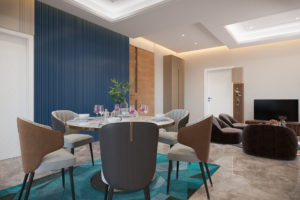
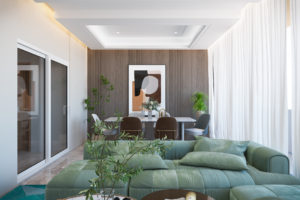
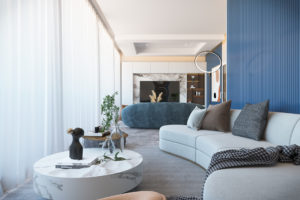
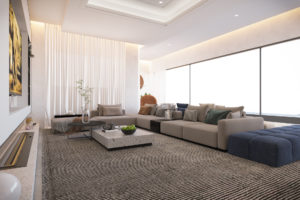
The influence of art on interior design is perhaps the most immediately apparent manifestation of this subtle shift. Rather than simply filling a space with furniture, modern design often prioritizes the creation of a holistic environment, paying attention to elements like color palettes, texture, lighting, and spatial arrangement. Concepts borrowed directly from painting and sculpture now inform the way homes and workspaces are conceived. For instance, the principles of composition, such as the rule of thirds, are frequently employed to create visually balanced and harmonious interiors. Similarly, the use of negative space, a key element in minimalist art, has become a popular technique for creating a sense of calm and spaciousness. The careful selection of materials and finishes also reflects an artistic sensibility, with designers often opting for those that possess inherent beauty and textural qualities. A sculptor’s approach to form and materiality is now routinely applied to furniture design, resulting in pieces that are both functional and aesthetically compelling.
The Role of Texture and Light
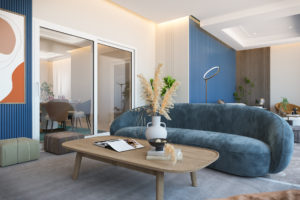
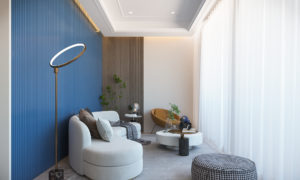
Texture and light, arguably two of the most important elements in visual art, also play a crucial role in contemporary interior design. Layering different textures – from smooth silks to rough-hewn wood – adds depth and dimension to a space, creating a tactile experience that engages the senses. The manipulation of light, through the use of natural light, artificial lighting, and strategically placed mirrors, can dramatically alter the mood and atmosphere of a room. Designers are now considering the qualities of light – its color temperature, intensity, and direction – in much the same way that painters consider the effects of light and shadow on their canvases. The goal is to create an interior that not only looks beautiful but also feels inviting and comfortable, a sanctuary that nurtures the soul.
| Artistic Principle | Interior Design Application |
|---|---|
| Composition (Rule of Thirds) | Creating balanced room layouts |
| Negative Space | Minimalist designs for calmness |
| Color Theory | Harmonious color palettes |
| Texture | Layering materials for depth |
The sourcing of unique pieces, often directly from artists or craftspeople, is also a growing trend. This not only supports the creative community but also ensures that each interior is imbued with a sense of individuality and authenticity. Platforms such as https://kingdom-uk.co.uk actively cultivate and connect artists with consumers seeking these kinds of unique and meaningful acquisitions.
Extending the Artistic Experience: Immersive Environments
The desire to integrate art into daily life extends beyond the realm of interior design. There's a growing appetite for immersive experiences that blur the boundaries between spectator and participant. This includes everything from interactive art installations to themed events and pop-up exhibitions. These experiences offer opportunities for individuals to engage with art in a more active and meaningful way, fostering creativity and sparking inspiration. Furthermore, the rise of digital art and virtual reality has opened up entirely new possibilities for creating immersive environments. Virtual museums, online galleries, and interactive art apps allow people to explore and appreciate art from the comfort of their own homes, expanding access to culture and creativity. The idea is to create experiences that are not just visually stimulating but also emotionally engaging and intellectually challenging.
The Impact of Experiential Retail
Even the world of retail is being transformed by artistic principles. Experiential retail, which focuses on creating memorable and engaging shopping experiences, is becoming increasingly popular. This involves incorporating elements of art, design, and storytelling into the retail environment, transforming it from a purely transactional space into a destination that offers entertainment, inspiration, and social connection. Pop-up shops, themed events, and interactive displays are all examples of how retailers are leveraging the power of experiential marketing to attract customers and build brand loyalty. Moreover, the curation of products themselves – selecting items that tell a story or reflect a particular aesthetic – can elevate the shopping experience to an art form.
- Increased customer engagement through immersive displays.
- Brand differentiation through unique aesthetic experiences.
- Fostering brand loyalty through memorable interactions.
- Supporting local artists and craftspeople through curated product selections.
The desire for authentic experiences and a connection to creativity is a powerful driver of this trend. Consumers are no longer satisfied with simply purchasing goods; they want to feel something, to be inspired, and to connect with brands that share their values. Organizations such as https://kingdom-uk.co.uk are helping to facilitate these connections.
The Role of Craftsmanship and the Handmade
In an era of mass production, there's a growing appreciation for craftsmanship and the handmade. The imperfections and unique qualities of handmade objects are seen as a testament to the skill and artistry of the maker. This is a rejection of the homogeneity of mass-produced goods and a celebration of individuality and authenticity. The resurgence of interest in traditional crafts – such as pottery, weaving, and woodworking – reflects a desire to reconnect with our heritage and to create objects that are built to last. Furthermore, supporting local artisans and craftspeople is seen as a way to contribute to a more sustainable and ethical economy. The focus is shifting from quantity to quality, from disposability to durability, and from mass-produced conformity to unique, handmade expression.
Supporting Local Economies and Artisan Skills
The focus on craftsmanship extends beyond simply purchasing handmade goods. Many people are now actively seeking opportunities to learn traditional crafts themselves, attending workshops and classes to develop their own skills. This not only provides a creative outlet but also fosters a deeper appreciation for the time, effort, and skill that goes into creating handmade objects. Moreover, supporting local artisans helps to preserve traditional skills and to create economic opportunities in local communities. By choosing to buy handmade, consumers are investing in a more sustainable and equitable future. The act of creation itself is also recognized as being inherently therapeutic and beneficial for mental wellbeing – a further reason for the growing popularity of craft-based activities.
- Seek out local artisan workshops and classes.
- Prioritize quality over quantity when purchasing.
- Support businesses committed to ethical production practices.
- Appreciate the unique beauty of handmade objects.
This mindful approach to consumption also ties into a broader movement towards conscious living, where people are more aware of the impact their choices have on the environment and society. https://kingdom-uk.co.uk exemplifies that approach with its commitment to sourcing and promoting ethically made products.
The Intersection of Art and Wellbeing
The connection between art and wellbeing is becoming increasingly recognized. Studies have shown that engaging with art – whether through creating, appreciating, or simply being surrounded by it – can have a positive impact on mental and physical health. Art therapy, for example, is used to help individuals cope with a wide range of emotional and psychological challenges. Furthermore, simply spending time in aesthetically pleasing environments can reduce stress, lower blood pressure, and improve mood. The creation of spaces that are designed to promote wellbeing – incorporating elements of nature, natural light, and calming colors – is becoming a priority in both residential and commercial settings. This is a recognition that our surroundings have a profound impact on our overall health and happiness, and that art and design can play a key role in creating environments that nurture and support us.
The integration of biophilic design – incorporating natural elements into built environments – is a key aspect of this trend. Bringing nature indoors, through the use of plants, natural materials, and natural light, can have a restorative effect on our minds and bodies. Art that depicts natural scenes or incorporates natural materials can also evoke feelings of calm and tranquility. The goal is to create spaces that feel connected to the natural world, promoting a sense of peace and wellbeing.
Cultivating a More Artistic Life: Looking Ahead
The subtle shift from viewing art as something separate from everyday life to embracing its integration into our routines is a continuing evolution. This isn’t just about aesthetics; it's about a deeper desire for meaning, connection, and wellbeing. Looking forward, we can expect to see even greater innovation in the ways that art and design are used to enhance our lives. The rise of personalized experiences, driven by data and technology, will allow for the creation of environments that are tailored to individual needs and preferences. Furthermore, the growing emphasis on sustainability and ethical consumption will continue to drive demand for locally sourced, handmade goods. Consider, for instance, the potential of augmented reality to overlay artistic elements onto our physical surroundings, transforming mundane spaces into immersive, interactive experiences. The possibilities are vast.
The power of platforms resembling https://kingdom-uk.co.uk to bring together artisans and consumers, foster creativity and promote unique experiences—will continue to be essential. The future isn’t simply about adding art to life, but about constructing a life as art, where beauty, meaning, and wellbeing are woven into the fabric of our daily routines, enriching our experiences, and cultivating a more fulfilling existence for all.


Leave a reply