



- Distinctive interiors spanning design trends to https://thebonrush-uk.uk for a personalized touch
- The Evolution of Interior Design Styles
- The Rise of Maximalism
- Understanding Color Psychology in Interior Design
- Creating a Harmonious Palette
- The Importance of Lighting in Interior Spaces
- Choosing the Right Fixtures
- Sustainable and Eco-Friendly Interior Design
- Expanding Horizons: The Future of Personalized Spaces
Distinctive interiors spanning design trends to https://thebonrush-uk.uk for a personalized touch
Creating a truly personalized and aesthetically pleasing living space requires careful consideration of interior design trends, a keen eye for detail, and often, the expertise of professionals. Many homeowners find themselves overwhelmed by the sheer volume of choices available, from furniture styles to color palettes and architectural finishes. Fortunately, resources exist to help navigate these complexities and bring dream interiors to life. One such resource, offering distinctive design solutions, is https://thebonrush-uk.uk, a company dedicated to transforming spaces with a personalized touch. They cater to a wide range of tastes and budgets, offering guidance and execution for projects of all sizes.
The modern homeowner desires more than just a functionally decorated home; they seek an environment that reflects their personality, supports their lifestyle, and enhances their well-being. This increasingly individualized approach to interior design is driving a demand for unique pieces, bespoke solutions, and a less prescriptive approach to decorating. It’s about creating a sense of place, a sanctuary that feels authentically ‘you’. The emphasis is now shifting from simply following trends to curating a space that feels timeless and personal, and places like The Bonrush understand this evolving need.
The Evolution of Interior Design Styles
Interior design is a constantly evolving field, influenced by art, architecture, cultural movements, and technological advancements. Historically, styles like Victorian, Art Deco, and Mid-Century Modern have enjoyed periods of prominence, each leaving a lasting impact on how we perceive and inhabit our homes. Today, we're seeing a fascinating blend of these influences, with designers and homeowners alike drawing inspiration from the past while incorporating contemporary elements. Minimalism, for instance, retains its popularity, but it’s often softened with warmer tones, natural materials, and layered textures to create a more inviting atmosphere. The trend towards biophilic design – incorporating natural elements like plants, wood, and stone – is also gaining momentum, driven by a growing awareness of the positive impact of nature on our mental and physical health. This isn't simply about adding houseplants, but fundamentally altering the way spaces are conceived, prioritizing natural light, ventilation, and a connection to the outdoors.
The Rise of Maximalism
In stark contrast to minimalism, maximalism is emerging as a powerful counter-trend. This aesthetic embraces bold colors, eclectic patterns, and a deliberate layering of textures and accessories. While it might seem chaotic at first glance, well-executed maximalism is actually about curated abundance – a thoughtful arrangement of objects that reflect individuality and create a sense of visual richness. It’s a celebration of personality and a rejection of the sterile, impersonal feel that can sometimes characterize minimalist spaces. The key to successful maximalism lies in finding a unifying theme or color palette to prevent the space from feeling overwhelming. It's about confidently showcasing cherished possessions and creating a home that tells a story. Consider an antique rug paired with boldly patterned wallpaper and a colorful collection of artwork – this is the essence of maximalist chic.
The changing trends in interior design create the need for adaptability and flexibility. A homeowner who wants to update their style should be willing to be open to change and isn’t afraid to experiment. Planning and design are key to a successful refresh.
| Design Style | Key Characteristics | Typical Materials |
|---|---|---|
| Minimalism | Clean lines, neutral colors, functionality | Concrete, steel, glass, wood |
| Maximalism | Bold colors, eclectic patterns, layered textures | Velvet, silk, patterned fabrics, antiques |
| Mid-Century Modern | Organic shapes, natural materials, functional design | Wood, vinyl, metal, colorful accents |
Leveraging the expert advice found at resources like The Bonrush can help navigate these choices, ensuring the customer achieves their desired look.
Understanding Color Psychology in Interior Design
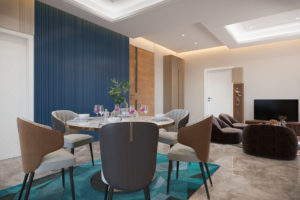
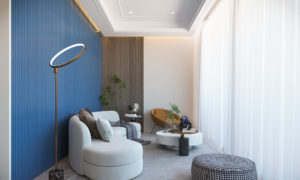
Color plays a crucial role in shaping our emotions and influencing our perception of space. In interior design, a thoughtful use of color can transform a room, creating a desired mood or atmosphere. Warm colors, such as reds, oranges, and yellows, tend to evoke feelings of energy, warmth, and excitement, making them suitable for social spaces like living rooms and dining rooms. Cool colors, like blues, greens, and purples, have a calming and relaxing effect, making them ideal for bedrooms and bathrooms. However, the impact of color is subjective and can be influenced by personal preferences, cultural associations, and the surrounding environment. A bright red might feel invigorating in one context but overwhelming in another. It’s about balancing color choices with personal taste and practical considerations like lighting. Careful thought should be given as to how each color will change throughout the day.
Creating a Harmonious Palette
Developing a cohesive color palette is essential for creating a visually appealing and harmonious interior. Designers often use color wheels to identify complementary and analogous color schemes. Complementary colors (those opposite each other on the color wheel) create a high-contrast look, while analogous colors (those adjacent to each other) offer a more subtle and harmonious feel. Another useful technique is the 60-30-10 rule: 60% of the room should be dominated by a neutral color, 30% by a secondary color, and 10% by an accent color. This proportion helps to create balance and visual interest. Beyond the basic colors, it’s also important to consider the different shades and tones within each color family. Using varying shades can add depth and complexity to the palette, and ensure the room doesn’t look flat or monotonous.
- Consider the existing architectural features of the room.
- Think about the mood you want to create.
- Use paint samples to test colors in different lighting conditions.
- Don’t be afraid to experiment with bold combinations.
Expert designers, such as those at The Bonrush, can assist in creating color schemes that maximize impact and reflect individual style.
The Importance of Lighting in Interior Spaces
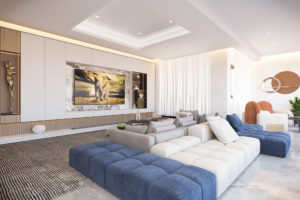
Lighting is often underestimated as a design element, but it’s arguably one of the most impactful. Effective lighting can dramatically alter the mood of a room, highlight architectural features, and enhance the overall functionality of a space. There are three main types of lighting: ambient, task, and accent. Ambient lighting provides overall illumination, creating a basic level of visibility. Task lighting is focused and directional, designed for specific activities like reading or cooking. Accent lighting is used to highlight artwork, sculptures, or other decorative elements. Combining these three types of lighting is crucial for creating a well-balanced and versatile lighting scheme. Layering light adds depth and dimension, making a room feel more inviting and dynamic. Often the interplay of light and shadow is just as important as the light itself.
Choosing the Right Fixtures
Selecting the right lighting fixtures is essential for achieving the desired effect. Consider the style of the room, the height of the ceilings, and the amount of natural light available. Chandeliers and pendant lights can add a touch of elegance and drama, while recessed lighting provides a clean and unobtrusive source of ambient light. Table lamps and floor lamps are versatile options that can be used to create pools of light and add warmth to a space. It’s also important to consider the color temperature of the bulbs. Warm white bulbs create a cozy and inviting atmosphere, while cool white bulbs provide a more energizing and functional light. LED bulbs are an energy-efficient and long-lasting option, offering a wide range of color temperatures and brightness levels.
- Start with a lighting plan that addresses all three types of lighting.
- Consider the size and scale of the room.
- Experiment with different lighting arrangements.
- Use dimmer switches to control the intensity of the light.
Resources like The Bonrush provide insights into current lighting trends and offer expert guidance on fixture selection.
Sustainable and Eco-Friendly Interior Design
Growing environmental awareness is driving a demand for sustainable and eco-friendly interior design practices. This involves selecting materials and products that have a minimal impact on the environment, reducing waste, and conserving energy. Choosing furniture made from recycled or sustainably harvested wood, using low-VOC paints and finishes, and opting for energy-efficient appliances are all steps that can contribute to a more sustainable home. Another important consideration is sourcing materials locally to reduce transportation emissions. Vintage and antique furniture are also excellent eco-friendly choices, as they give existing items a new lease on life and reduce the need for new production. This approach extends beyond just material choices. It involves a holistic consideration of the entire lifecycle of interior design elements—from production and transportation to use and disposal.
Incorporating natural elements like plants also contributes to a healthier indoor environment, improving air quality and creating a more relaxing atmosphere. This is more than a stylistic choice; it's a recognition of the interconnectedness between our living spaces and the natural world. The move towards sustainable design isn’t a trend, but a necessary shift towards a more responsible and environmentally conscious way of living.
Expanding Horizons: The Future of Personalized Spaces
The evolution of technology is poised to revolutionize the way we design and interact with our interiors. Augmented reality (AR) and virtual reality (VR) tools are already enabling homeowners to visualize design concepts in their own spaces before making any costly purchases. Imagine being able to virtually “try out” different paint colors, furniture arrangements, or even entire room designs before committing to them. This adds an unprecedented level of control and personalization to the design process. Furthermore, the integration of smart home technology is enhancing the functionality and convenience of our homes, allowing us to control lighting, temperature, and security systems with ease.
Beyond the practical benefits, we can anticipate a growing emphasis on creating spaces that truly nurture our well-being. This will involve a deeper understanding of the psychological impact of design elements, and a greater focus on creating spaces that promote relaxation, creativity, and connection. The trend toward personalized spaces isn’t just about aesthetics; it’s about crafting environments that support our individual needs and enhance our quality of life, and resources like The Bonrush are at the forefront of this innovative approach.

Leave a reply